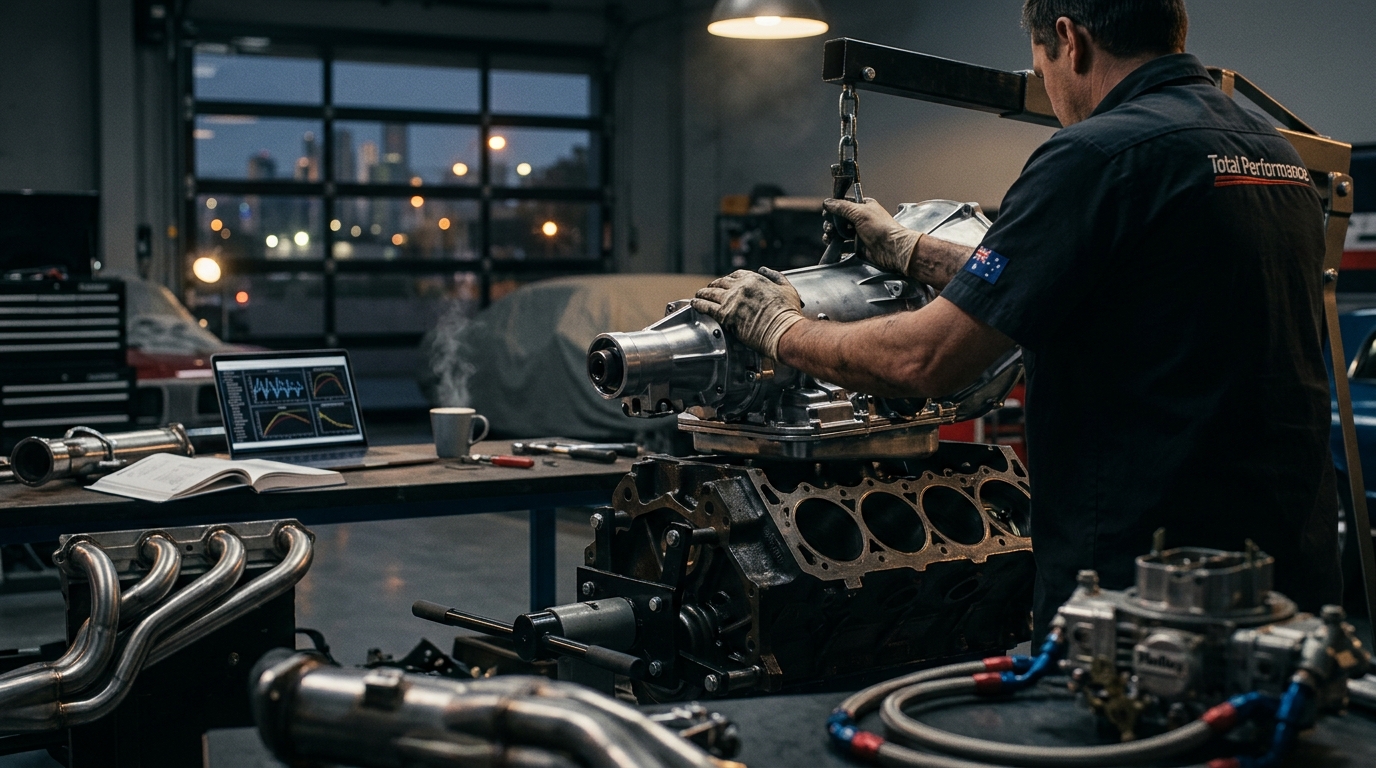
Selecting the correct transmission for a Ford performance build is not merely about matching bolt patterns; it is about engineering a powertrain that can reliably manage torque curves and thermal loads. According to industry data on high-performance drivetrain failures, over 60% of early-stage engine failures in modified vehicles stem from transmission slippage or catastrophic gear failure rather than engine block issues. This statistic highlights why the drivetrain is the critical bottleneck in any serious horsepower upgrade. Whether you are building a classic Mustang with a Ford 351C Cleveland or a modern Coyote-powered project, the transmission must be chosen to handle the specific torque output and driving style of the vehicle.
Understanding Ford Transmission Types
Ford has utilized a diverse array of transmission architectures over the decades. To choose the right unit, you must first understand the fundamental differences between manual, automatic, and specialized racing transmissions. The transmission family you select dictates the driving experience, maintenance requirements, and ultimate power handling capability. (Total Performance Australia buy)
A manual transmission offers direct mechanical linkage and minimal power loss. However, for high-torque applications, the clutch and flywheel must be rated for the specific engine output. An automatic transmission, particularly the modern electronic variants, provides superior launch control and durability under stress. The key is selecting the correct torque converter that matches the engine's power band. For those seeking maximum reliability in high-horsepower builds, a dedicated racing transmission with a billet gear set is often the only viable option.
Matching Transmission to Engine Family
The engine family is the primary determinant for transmission selection. Ford engines have distinct bellhousing patterns and input shaft requirements that prevent cross-compatibility without significant modification. Understanding these constraints is vital for a successful build.
Ford Small Block Windsor (302W, 351W)
The Ford 302 and 351 Windsor engines are among the most popular platforms for performance builds. These engines typically pair with the C4, C6, or the modern 4R70W/4R100 automatic transmissions. For manual applications, the T5 or TKO series are common choices. The C6 automatic is renowned for its durability and is often the go-to choice for high-torque builds. When upgrading, ensure the torque converter is matched to the camshaft profile to ensure proper stall speed and engagement.
Ford Cleveland (351C)
The 351 Cleveland engine features a unique bellhousing pattern that is not compatible with standard Windsor or Boss 302 transmissions. This requires a specific Cleveland-pattern transmission or an adapter plate. The Cleveland engine produces high torque at mid-range RPMs, making it an excellent candidate for heavy-duty automatic transmissions like the C6 or the 4L80E. The 351C Cleveland engine parts market offers specialized components to facilitate these swaps, including custom bellhousings and adapter plates.
Ford Coyote (5.0L V8)
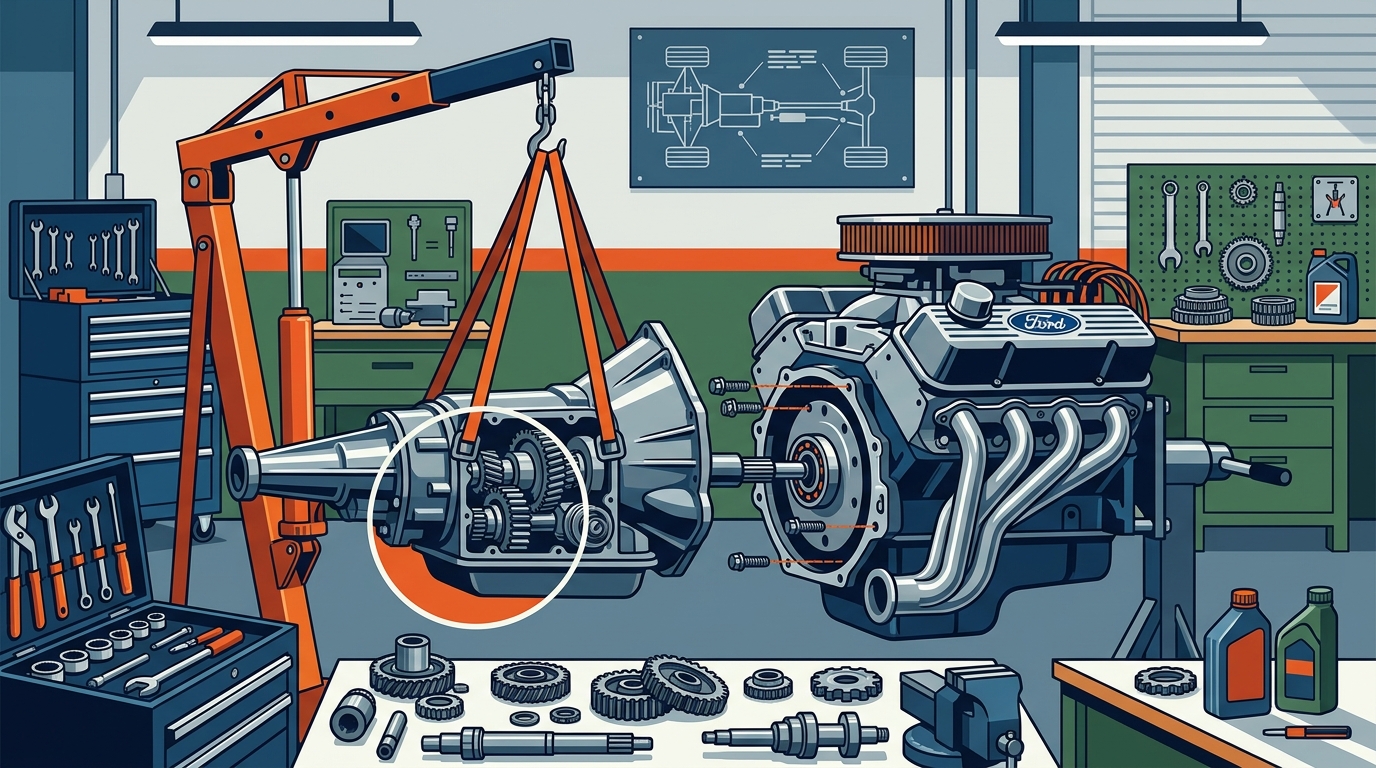
The modern Coyote engine is paired with the TR-6060 manual or the 6R80 automatic in factory applications. For performance builds, the TR-6060 is a robust choice that can handle significant horsepower with proper clutch upgrades. The 6R80 automatic is also highly durable and can be upgraded with billet internals for high-horsepower applications. The key to maximizing performance in a Coyote build is ensuring the transmission tuning matches the engine's aggressive cam profile.
Ford FE Big Block (390, 427, 428)
The classic FE big block engines require heavy-duty transmissions due to their immense torque output. The C6 automatic is the standard choice for these engines, often upgraded with billet input shafts and drum packs. For manual applications, the FMX or the Muncie M21 are common pairings. The Ford FE big block engine parts catalog includes specialized flywheels and clutch kits designed to handle the unique torque characteristics of these classic powerplants.
Performance Upgrade Pathways
Once the base transmission is selected, performance upgrades can significantly enhance durability and shift quality. The following table outlines common upgrade pathways for Ford transmissions.
| Transmission Model | Primary Upgrade Component | Performance Benefit | Target Application |
|---|---|---|---|
| C6 Automatic | Billet Input Shaft | Prevents shearing under high torque | High-horsepower street and strip |
| 4R70W/4R100 | Heavy-Duty Torque Converter | Improves launch and heat dissipation | Modern V8 swaps and daily drivers |
| TR-6060 Manual | Clutch Kit Upgrade | Handles increased engine torque | Mustang GT and Cobra builds |
| FMX Automatic | Billet Drum Pack | Enhances durability for big block engines | Classic Ford FE builds |
Upgrading the torque converter is often the most cost-effective performance upgrade. A custom-stall torque converter allows the engine to reach its peak power band before the vehicle begins to move, resulting in faster acceleration. For example, a converter with a 2500 RPM stall speed is ideal for a cammed engine that makes peak torque at 4000 RPM. This ensures that the engine is always operating in its power band during launch.
Critical Components and Failures
Understanding the weak points of Ford transmissions is crucial for long-term reliability. The transmission accessories and internal components must be inspected regularly to prevent catastrophic failure.
The input shaft is a common failure point in high-torque applications. When the engine produces more torque than the shaft can handle, it can shear off, leaving the vehicle stranded. Upgrading to a billet steel input shaft is a standard preventative measure. Additionally, the drum pack in automatic transmissions is subject to wear over time. Replacing the stock drums with billet aluminum drums can significantly extend the life of the transmission under high-stress conditions.
Another critical component is the fuel system interaction. While not part of the transmission itself, the fuel delivery must be adequate to support the engine's power output. A lean condition can cause engine damage that may subsequently overload the transmission. Ensuring the fuel pump and regulator are rated for the engine's horsepower is essential for overall drivetrain health.
Installation and Tuning
Proper installation and tuning are just as important as component selection. For automatic transmissions, the line pressure must be set correctly to ensure firm shifts without causing excessive wear. This is often achieved by adjusting the pressure regulator or installing a programmable valve body. For manual transmissions, the clutch pedal free play and linkage adjustment must be precise to ensure full engagement and prevent slippage.
Tuning the engine to match the transmission is also vital. A camshaft that is too aggressive for the torque converter's stall speed can result in poor low-end response. Conversely, a converter that is too high-stall can cause the engine to lug at highway speeds, reducing fuel economy and increasing wear. The goal is to find a balance that suits the intended driving style, whether that is daily driving, track use, or drag racing.
Key Takeaways
- The C6 automatic is the most durable choice for classic Ford big block and small block engines.
- The 351C Cleveland engine requires a specific bellhousing pattern incompatible with standard Windsor transmissions.
- Upgrading the torque converter is a cost-effective way to improve launch performance in automatic builds.
- Billet input shafts are essential for preventing failure in high-torque applications.
- The TR-6060 manual transmission is a robust option for modern Coyote engine builds.
- Proper line pressure adjustment is critical for the longevity of automatic transmissions.
- Matching the camshaft profile to the torque converter stall speed optimizes power delivery.
Frequently Asked Questions
Can I swap a Windsor transmission to a Cleveland engine?
No, the 351C Cleveland engine has a unique bellhousing pattern that is not compatible with standard Windsor transmissions. You will need a Cleveland-pattern transmission or an adapter plate.
What is the best transmission for a high-horsepower Ford 302?
The C6 automatic is widely regarded as the most durable option for high-horsepower Ford 302 builds. It can be upgraded with billet internals to handle extreme torque loads.
How do I choose the right torque converter stall speed?
The stall speed should match the engine's peak torque RPM. A general rule is to choose a converter that stalls slightly below the engine's peak torque RPM for optimal launch performance.
Are aftermarket transmissions better than stock?
Aftermarket transmissions are designed with stronger materials and improved gear ratios to handle higher horsepower and torque. They are essential for performance builds that exceed stock power levels.
What is the difference between a 4R70W and a 4R100?
The 4R100 is a heavy-duty version of the 4R70W, designed to handle more torque. It is commonly used in Ford trucks and high-performance V8 applications.
Do I need a different clutch for a manual swap?
Yes, the clutch must be rated for the engine's torque output. Upgrading to a larger diameter clutch or a multi-disc clutch can significantly increase torque capacity.
How often should I change transmission fluid?
For performance vehicles, it is recommended to change the transmission fluid every 30,000 to 50,000 miles. High-stress driving conditions may require more frequent changes.
What is a billet drum pack?
A billet drum pack is an upgrade for automatic transmissions that replaces the stock steel drums with stronger aluminum drums. This prevents drum failure under high torque loads.
Shop Performance Parts
Ready to build your dream Ford powertrain? Visit Total Performance Australia to explore our extensive range of Ford engine parts and transmission components. Our expert team can help you select the right parts for your specific build. Contact us today to discuss your project and take advantage of our free shipping on orders over $200.