
Common Mistakes When Buying Aftermarket Engine Parts for Holden and Ford Vehicles
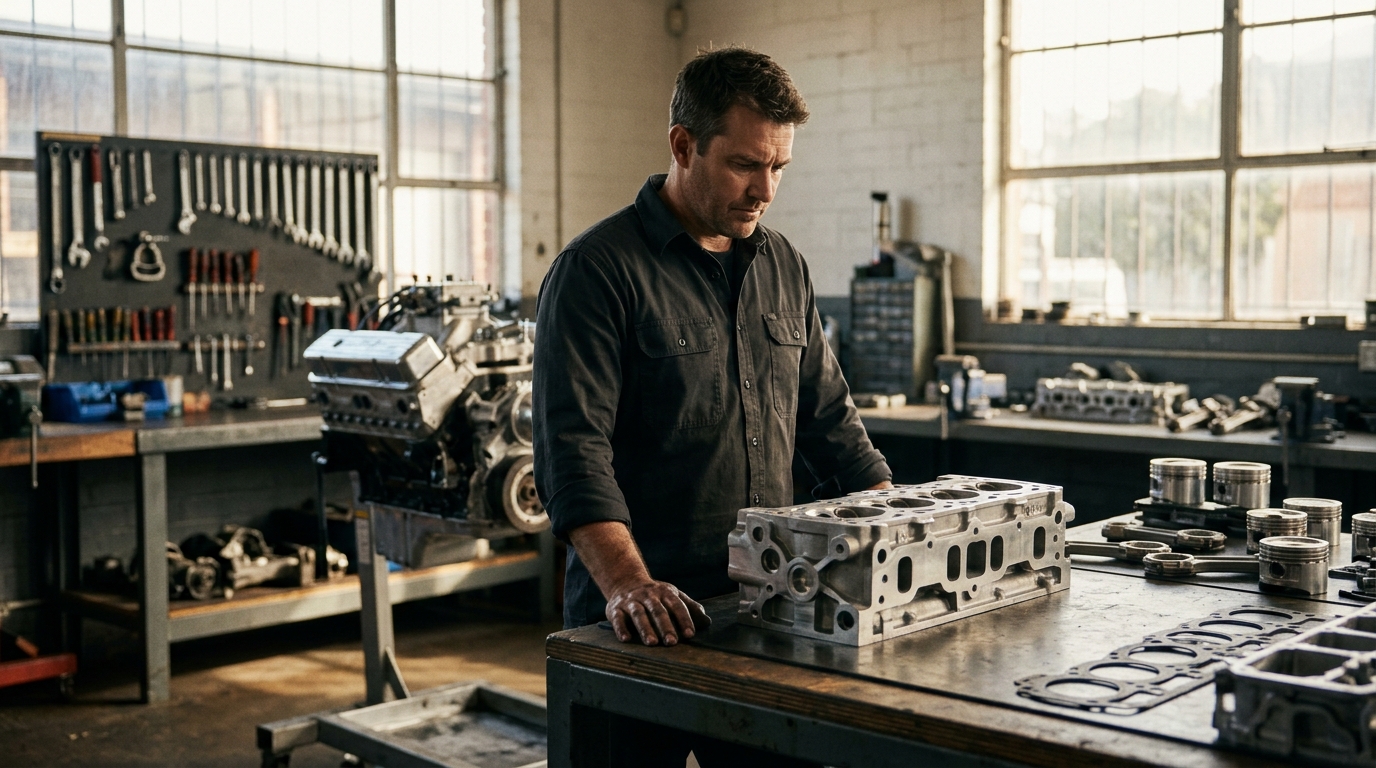
Upgrading or repairing a Holden or Ford engine is a critical investment that demands precision. According to industry data, improper part selection is a leading cause of premature engine failure in high-performance builds, with estimates suggesting that over 40% of warranty claims stem from installation errors or compatibility mismatches rather than manufacturing defects. This statistic highlights the importance of rigorous due diligence before purchasing components. Whether you are restoring a classic Holden 308 or building a modern Ford Barra, avoiding common purchasing pitfalls ensures longevity and peak performance.
Understanding Holden and Ford Platform Differences
One of the most frequent errors buyers make is treating all V8 engines as interchangeable. Holden and Ford utilize distinct engineering philosophies that dictate part compatibility. Holden engines, such as the legendary 308 and the modern 6.0L V8, have specific bolt patterns, oil pump drives, and head configurations that differ significantly from Ford’s modular architecture.
Ford engines, including the Barra inline-six and the Coyote V8, require specialized intake manifolds and EFI systems that are not cross-compatible with Holden platforms. For instance, the Holden 308 Engine Parts category is distinct from the Ford 289 302W 347 351W Windsor Engine Parts category. Buyers must identify their exact engine code before browsing catalogs to avoid ordering components that physically will not fit.
The Compatibility Trap: Ignoring Engine Codes
Engine codes are the primary key to compatibility. A common mistake is assuming that a part labeled for a "Holden V8" will fit all Holden V8s. This is incorrect. The Holden 308 has variations in timing covers, oil pans, and exhaust manifolds depending on the vehicle model and year.
Similarly, Ford engines have undergone massive changes over the decades. A Ford Modular 4.6L 5.4L Engine Parts component will not fit a Ford Coyote Engine Parts setup without significant modification. Always verify the specific engine series, such as the LS1, LS2, or LS3 for Chevy, or the specific Ford Windsor vs. Cleveland distinction, as these require different Ford 351C Cleveland Engine Parts than their Windsor counterparts.
Prioritizing Price Over Quality Standards
While cost is a factor, buying the cheapest aftermarket part often leads to higher long-term costs. Low-quality pistons, bearings, or gaskets can fail under high stress, leading to catastrophic engine damage. High-performance engines, such as those found in Holden 308 Engine Parts 253, 304, 5.0L 355 V8 builds, require components rated for specific horsepower and torque outputs.
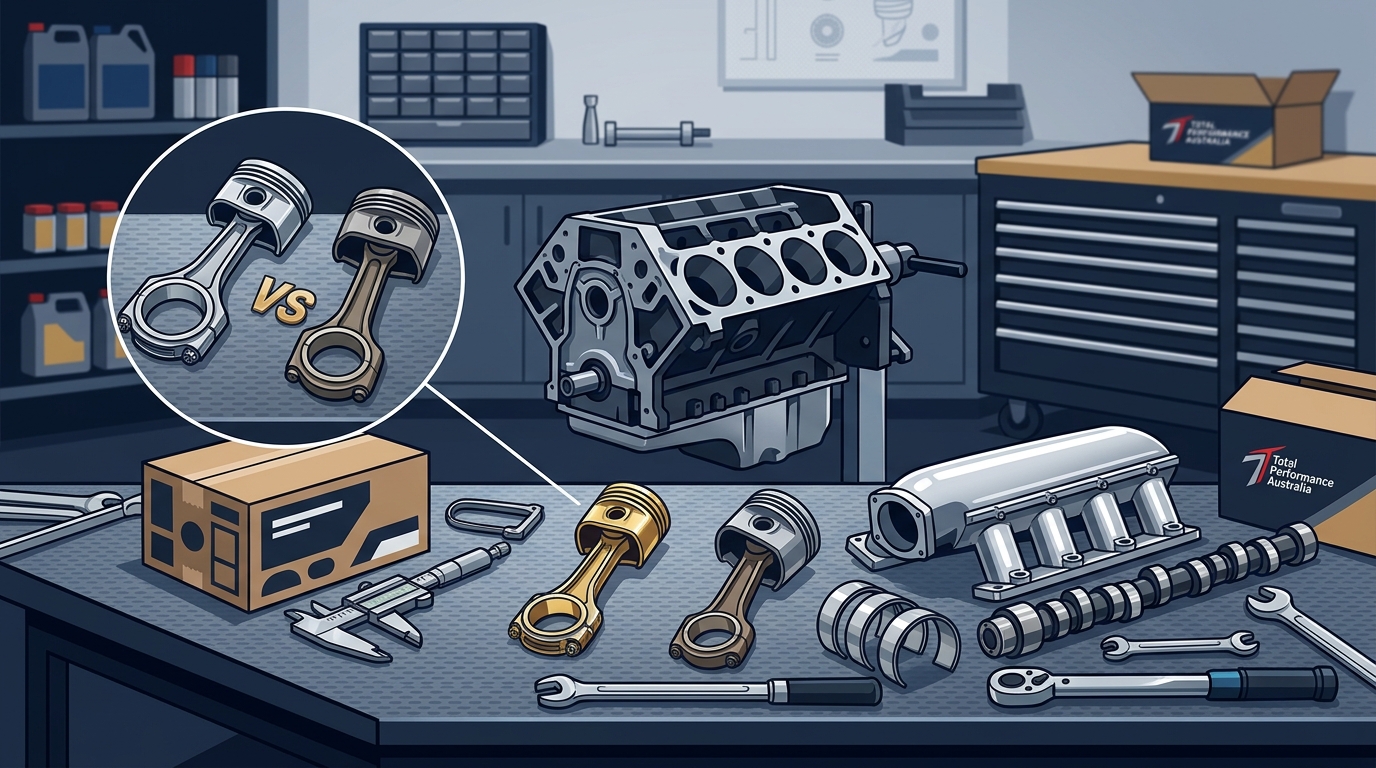
Reputable suppliers provide detailed specifications for materials and tolerances. For example, Pistons & Rings from a trusted source will specify the alloy composition and ring gap specifications. Ignoring these details in favor of a lower price tag can result in poor compression, oil consumption, and eventual engine failure. Always prioritize parts that meet or exceed OEM specifications for durability.
Overlooking Installation Requirements
Another critical mistake is failing to account for the ancillary parts needed for installation. When purchasing a major component like a Cylinder Heads kit, buyers often forget to check if the necessary Carburetors, Spacers & Studs or EFI Systems & Throttle Bodies are included or compatible.
For example, upgrading to a high-flow cylinder head may require a corresponding upgrade to the intake manifold and fuel system to realize performance gains. Additionally, ensure that all necessary Gaskets & Seals are available. Missing a single head gasket or oil pan gasket can halt a build for days while waiting for a small, critical component. Comprehensive kits often save time and money by bundling these essentials.
Ignoring Warranty and Support Structures
Warranty terms vary significantly between manufacturers and suppliers. Some aftermarket parts come with limited warranties that exclude damage caused by improper tuning or installation. Buyers must read the fine print to understand what is covered. A robust warranty indicates manufacturer confidence in the product's quality.
Furthermore, technical support is invaluable. When dealing with complex builds involving Superchargers or NITROUS systems, access to expert advice can prevent costly mistakes. Choose suppliers who provide detailed installation guides and responsive customer support. This is particularly important for specialized components like Transmissions, Torque Converters & Flexplates, where correct matching is crucial for vehicle performance.
Component Comparison: OEM vs. Aftermarket
Understanding the differences between Original Equipment Manufacturer (OEM) and aftermarket parts helps in making informed decisions. The table below outlines key distinctions for Holden and Ford engine components.
| Component Category | OEM Characteristics | Aftermarket Characteristics | Best Use Case |
|---|---|---|---|
| Pistons & Rings | Standard durability, conservative power limits | High-strength alloys, custom compression ratios | High-horsepower builds |
| Ignition Components | Reliable, plug-and-play fitment | Enhanced spark energy, adjustable timing | Performance tuning |
| Extractors & Headers | Heavy, durable, noise-compliant | Lightweight, improved exhaust flow | Track and street performance |
| Fuel Pumps | Fixed flow rate, standard pressure | Adjustable pressure, higher flow capacity | High-demand fuel systems |
Key Takeaways
- Verify Engine Codes: Always confirm the specific engine model, such as Holden 308 or Ford Barra, before purchasing parts to ensure compatibility.
- Check Ancillary Needs: Ensure you have all necessary gaskets, studs, and mounting hardware before starting the installation.
- Prioritize Quality: Invest in high-grade components for critical parts like pistons and bearings to prevent catastrophic failure.
- Understand Warranty Terms: Read warranty conditions carefully to avoid voiding coverage due to improper installation or tuning.
- Use Reputable Suppliers: Choose suppliers with strong technical support and a wide range of Tools & Shop Equipment for accurate installation.
- Consider Performance Goals: Match part specifications to your intended horsepower and torque output, not just stock requirements.
- Review Compatibility Lists: Use detailed compatibility charts for Chevy Engine Parts and other platforms to avoid cross-brand errors.
Frequently Asked Questions
How do I know if aftermarket parts fit my Holden 308?
You must verify the specific engine code and vehicle model year. Holden 308 engines have variations in timing covers and oil pans. Consult the compatibility guide on Holden Engine Parts to ensure the part matches your specific configuration.
What is the difference between OEM and aftermarket engine parts?
OEM parts are made by the original manufacturer and offer standard reliability. Aftermarket parts are designed for improved performance, durability, or cost savings, often using advanced materials. For example, aftermarket Cylinder Heads may offer higher airflow than OEM units.
Are aftermarket superchargers compatible with all Ford engines?
No, superchargers are engine-specific. A Supercharger designed for a Ford Coyote will not fit a Ford Barra or Windsor engine without significant modification. Always check the manufacturer's fitment guide.
Do I need special tools to install aftermarket engine parts?
Yes, many aftermarket components require specialized tools for proper installation. For instance, installing Camshafts may require a camshaft installation tool. Ensure you have the necessary Tools & Shop Equipment before beginning the job.
How do I choose the right fuel pump for my build?
Choose a fuel pump based on your engine's fuel demand, which is calculated from horsepower and fuel type. Mechanical and Electric Fuel Pumps have different flow rates and pressure capabilities. Consult a fuel system calculator or expert advice to determine the correct specification.
What warranty should I expect from aftermarket parts?
Warranty terms vary by manufacturer. Some offer lifetime warranties, while others provide limited coverage. Always read the warranty policy before purchasing. Reputable suppliers like Total Performance Australia often provide clear warranty information for their Engine Components.
Can I mix OEM and aftermarket parts in one engine?
Yes, mixing parts is common, but compatibility is key. Ensure that aftermarket components, such as Ignition Modules + Coils, are compatible with OEM sensors and wiring. Mismatched components can cause performance issues or engine damage.
Start Your Build Today
Avoid costly mistakes by choosing the right parts for your Holden or Ford engine. Explore our extensive range of high-performance components, from Holden Engine Parts to Ford Engine Parts, and ensure your build is built to last. Visit Total Performance Australia today to find the parts you need and get expert advice on your next project.