
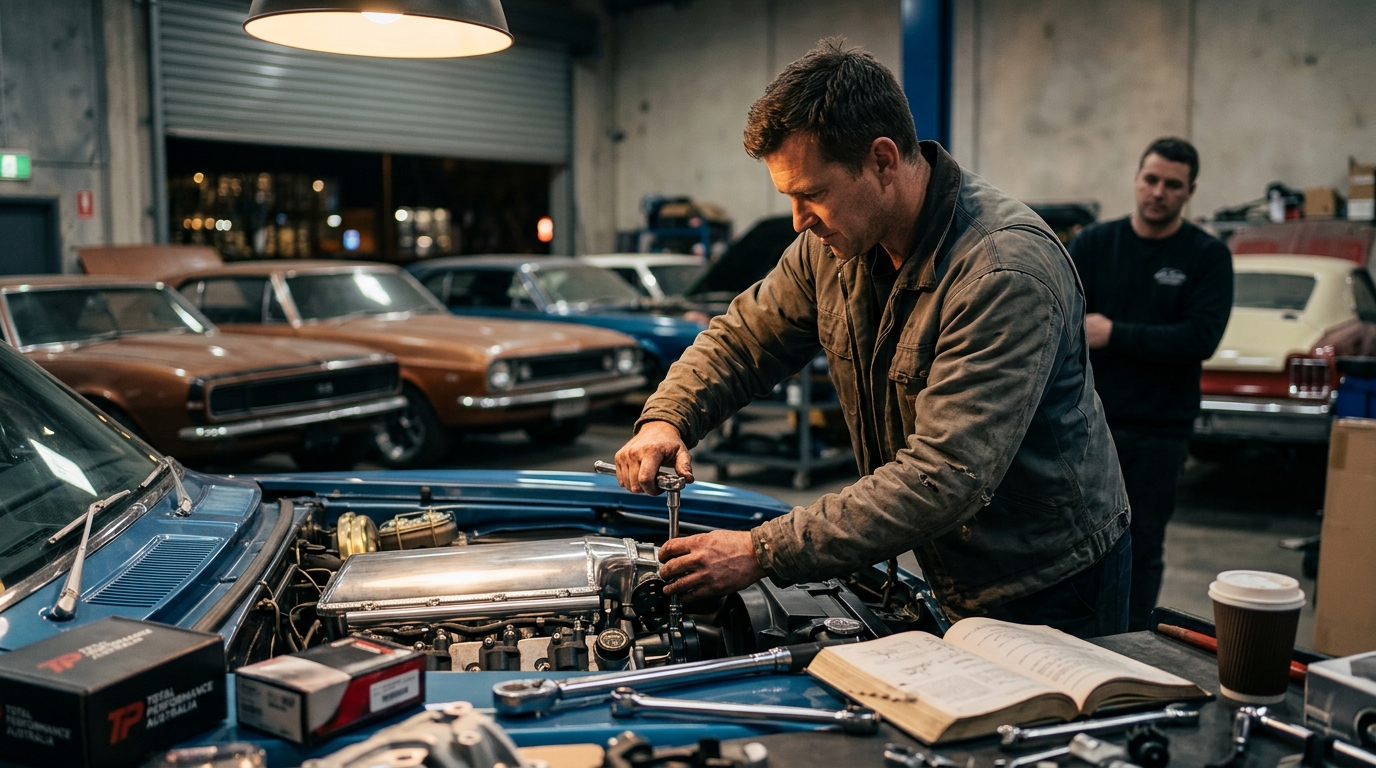
Common Mistakes When Installing Engine Upgrade Kits in Chevy and Ford Muscle Cars
Installing an engine upgrade kit is a transformative moment for any muscle car enthusiast. However, the difference between a roaring performance machine and a costly garage project often comes down to the details. According to industry data, improper installation of performance components accounts for a significant percentage of post-modification failures in high-compression engines. This guide outlines the critical errors to avoid when working on Chevrolet and Ford platforms.
Understanding the Kit Components
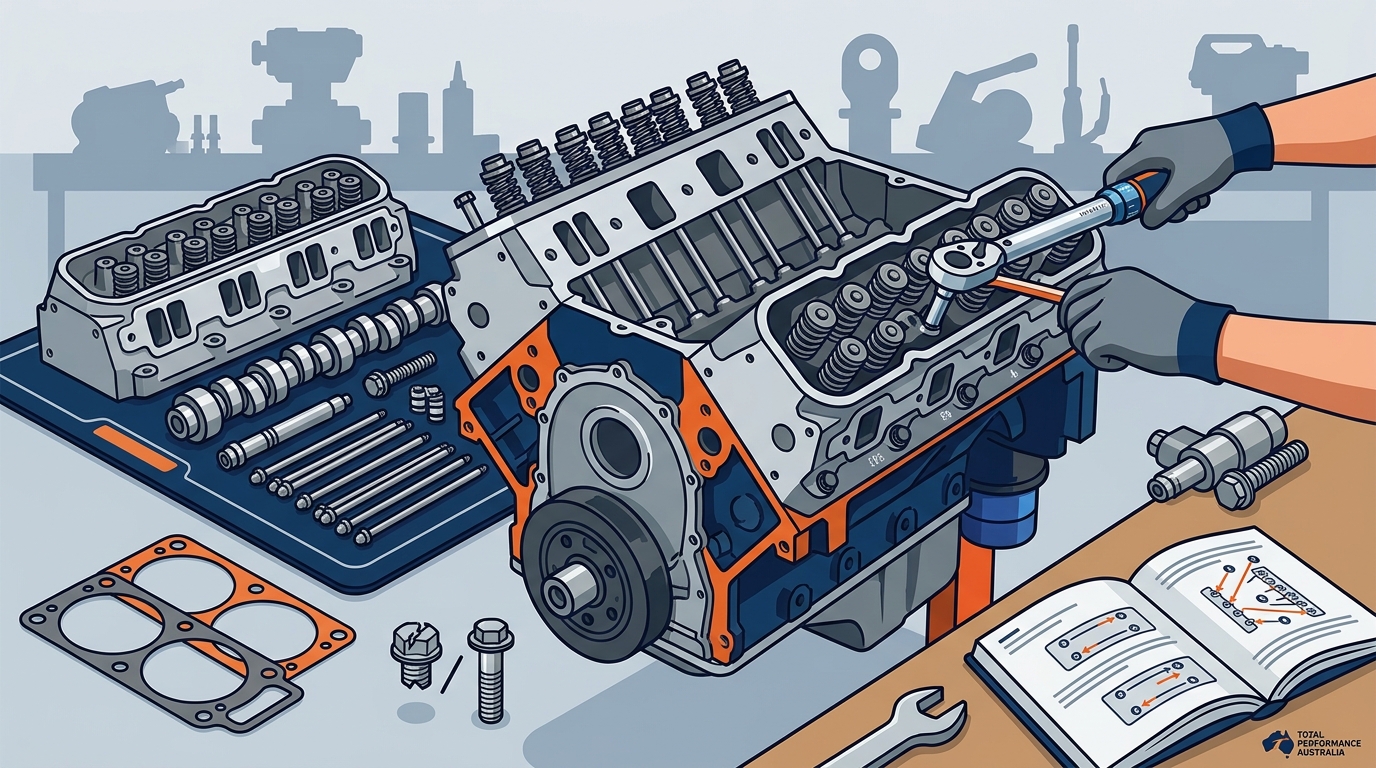
Before turning a single wrench, you must understand the ecosystem of your upgrade kit. A common mistake is treating an engine kit as a collection of isolated parts. In reality, these components are designed to work in harmony. For instance, a camshaft upgrade changes the valve timing, which directly impacts airflow and fuel requirements.
Performance tuning is the bridge between hardware and horsepower. Without the correct calibration, even the most expensive camshaft will result in poor drivability. Ensure you have the complete installation manual and any necessary hardware, such as upgraded pushrods or lifters, before you begin. Skipping this step often leads to stripped threads or incorrect valve lash adjustments.
Ignition System Errors
One of the most frequent errors in Chevy and Ford engine builds is neglecting the ignition system. Many enthusiasts install high-performance camshafts and headers but leave the stock ignition components in place. This mismatch can cause misfires under load and reduced power output.
When upgrading your engine, consider the following ignition components:
- Spark Plugs: Use the correct heat range and gap for your specific cam profile.
- Ignition Wires: Upgrade to low-resistance wires to ensure consistent spark delivery.
- Coils: High-performance coils provide a stronger spark, improving combustion efficiency.
Ignoring these details can lead to premature wear and decreased performance. Always consult with a specialist to determine the optimal ignition setup for your specific engine build.
Fuel Delivery Mistakes
Fuel delivery is the lifeblood of any performance engine. A critical mistake is underestimating the fuel requirements of an upgraded engine. As you increase airflow with headers and a camshaft, your engine will consume more fuel. If the fuel system cannot keep up, you risk running lean, which can cause catastrophic engine damage.
Key areas to check include:
- Fuel Pump: Ensure your pump can deliver the required gallons per hour (GPH) at the correct pressure.
- Fuel Lines: Upgrade to braided stainless steel lines to prevent expansion and ensure consistent flow.
- Fuel Pressure Regulator: A proper regulator maintains consistent pressure, preventing fluctuations that affect performance.
For detailed guidance on fuel system requirements, refer to Hot Rod fuel system guides. These resources provide essential data on calculating fuel flow needs for various engine configurations.
Cooling System Oversights
Performance engines generate significantly more heat than stock engines. A common mistake is failing to upgrade the cooling system accordingly. Overheating can lead to warped heads, blown head gaskets, and severe engine damage.
Consider these cooling upgrades:
- Radiator: Install a high-capacity aluminum radiator for improved heat dissipation.
- Fan: Use an electric fan with a high CFM rating to ensure adequate airflow at low speeds.
- Coolant: Use a high-quality coolant mixture designed for high-performance engines.
Proper cooling is essential for longevity. According to engineering principles of cooling systems, efficient heat transfer is critical for maintaining engine performance and preventing thermal failure.
Tuning Neglect
Tuning is often the most overlooked aspect of an engine upgrade. Many enthusiasts believe that installing hardware will automatically result in increased power. However, without proper tuning, your engine may run poorly, consume excessive fuel, or even suffer damage.
Key tuning considerations include:
- Ignition Timing: Adjust timing to optimize power and prevent detonation.
- Fuel Map: Ensure the fuel map matches the increased airflow from your upgrades.
- Idle Speed: Adjust idle speed to account for changes in camshaft profile.
Professional tuning is highly recommended. A skilled tuner can extract maximum performance while ensuring engine reliability. For insights on the importance of tuning, see Motor Trend tuning basics.
Installation Checklist
To ensure a successful installation, follow this comprehensive checklist:
| Component | Checklist Item | Importance |
|---|---|---|
| Camshaft | Verify lobe separation angle and duration | Critical |
| Valve Springs | Ensure adequate pressure for high RPM | Critical |
| Pushrods | Check for correct length and stiffness | High |
| Rockers | Verify ratio and mounting | High |
| Lifter | Ensure compatibility with cam profile | Critical |
Each item on this list plays a vital role in the overall performance and reliability of your engine. Skipping any step can lead to costly repairs and reduced performance.
Key Takeaways
- Ignition System: Always upgrade ignition components to match your engine's increased performance demands.
- Fuel Delivery: Calculate and meet the fuel flow requirements to prevent lean conditions.
- Cooling: Upgrade your cooling system to handle the additional heat generated by performance parts.
- Tuning: Professional tuning is essential to optimize performance and ensure reliability.
- Installation: Follow a detailed checklist to ensure all components are correctly installed and adjusted.
- Expert Advice: Consult with specialists to determine the best components for your specific engine build.
- Documentation: Keep detailed records of your installation and tuning adjustments for future reference.
Frequently Asked Questions
What is the most common mistake when installing engine upgrade kits?
The most common mistake is neglecting to upgrade the ignition and fuel systems to match the increased performance of the new components.
Do I need to tune my engine after installing an upgrade kit?
Yes, tuning is essential to optimize performance and ensure the engine runs safely with the new hardware.
How do I know if my cooling system is adequate?
Monitor your engine temperature under load. If it consistently runs hot, you may need to upgrade your radiator or fan.
Can I install an engine upgrade kit myself?
While possible, it is highly recommended to have a professional install the kit to ensure proper fitment and tuning.
What are the key components of an engine upgrade kit?
Key components typically include a camshaft, valve springs, pushrods, rockers, and lifters.
How long does an engine upgrade installation take?
The installation time varies depending on the complexity of the kit and the condition of the engine, but it typically takes several days.
What is the cost of an engine upgrade kit?
Costs vary widely based on the components and the level of performance desired, ranging from a few hundred to several thousand dollars.
Where can I find more information on engine upgrades?
You can find more information on our Customer Experience page or by contacting our team directly.
Contact Total Performance
Ready to take your Chevy or Ford muscle car to the next level? Avoid the common pitfalls of DIY engine upgrades by partnering with the experts at Total Performance. Our team of specialists provides comprehensive engine building services, from initial consultation to final tuning. Visit our homepage to learn more about our services and schedule a consultation today.