
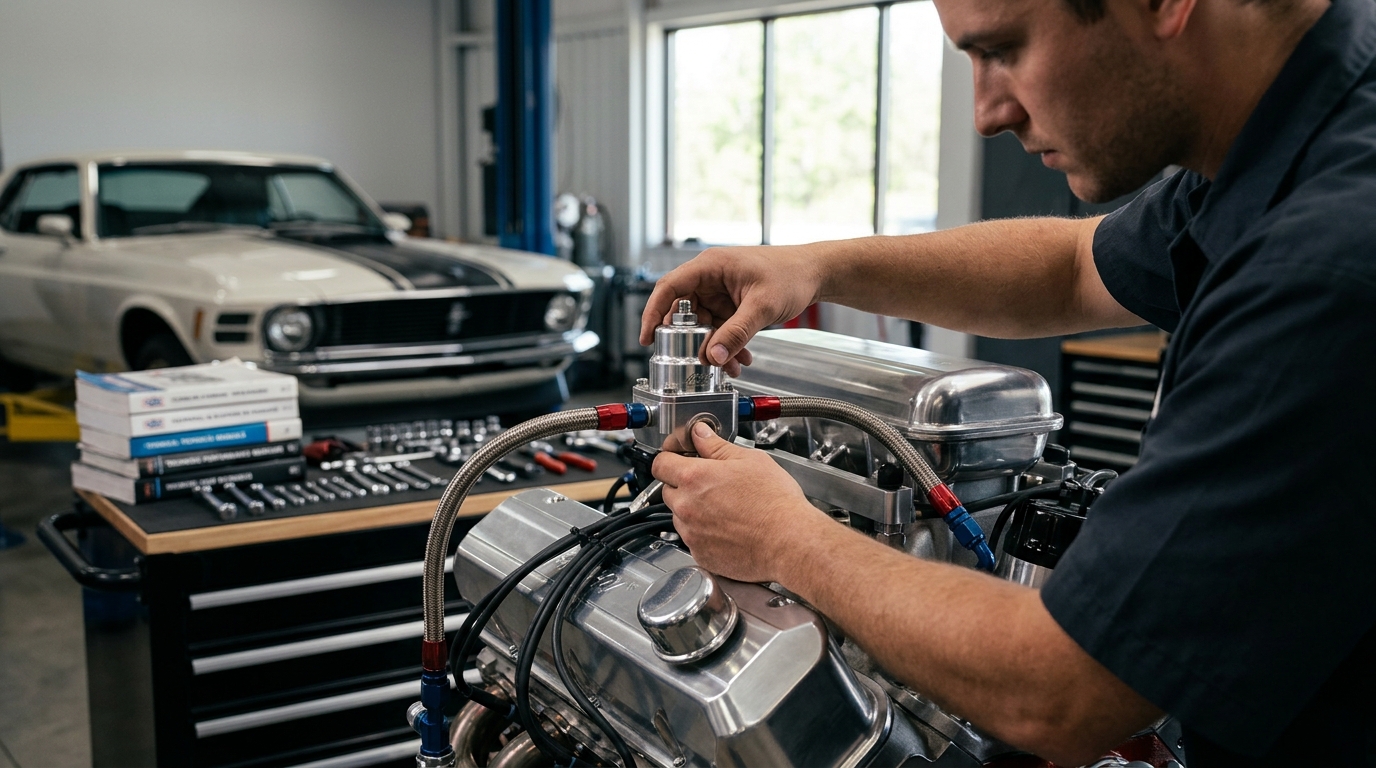
Choosing the Right Fuel Pump and System Size for Your Ford or Chevy Build
Modern high-performance engine building demands precise fuel delivery to prevent catastrophic failure under load. According to industry data, improper fuel system sizing is a leading cause of power loss and engine damage in modified vehicles, with many builds losing up to 20% of potential horsepower due to fuel starvation. This guide provides the technical framework for selecting the correct fuel pump, lines, and regulators for your specific Ford or Chevy application.
Understanding Fuel Delivery Fundamentals
Fuel delivery systems are not one-size-fits-all. The core principle is matching the fuel pump's flow rate to the engine's fuel consumption at peak horsepower. A common rule of thumb is that an engine requires approximately 0.5 to 0.75 pounds of fuel per hour for every 60 horsepower produced. However, this varies significantly based on fuel type and engine efficiency.
Understanding the difference between flow rate and pressure is critical. Flow rate determines how much fuel can be delivered, while pressure ensures that fuel is pushed through the injectors or carburetor at the correct rate. Both must be optimized for your specific build.
Fuel System Requirements for Chevy Engines
Chevy engines, particularly the Small Block Chevy (SBC) and the LS family, have distinct fueling characteristics. The SBC, a staple in classic muscle car restorations, often relies on mechanical or high-flow electric pumps depending on the application.
Small Block Chevy (SBC) Considerations
For a stock or mildly modified SBC, a standard mechanical pump may suffice. However, for high-performance builds, upgrading to a high-flow electric pump is essential. The SBC's carbureted nature means that consistent pressure is vital for proper fuel atomization.
If you are building a high-horsepower SBC, consider the fuel pumps available in our catalog. These are designed to handle the increased demand of modified cylinder heads and camshafts.
LS Engine Fueling
The LS engine platform is known for its efficiency and high-revving nature. LS engines typically use high-pressure fuel injection systems. The fuel pressure requirements for LS engines can range from 58 psi to over 100 psi for highly modified builds.
When upgrading an LS engine, it is crucial to match the fuel pump's capacity to the injector size. A common mistake is underestimating the fuel flow required for forced induction applications. For LS-specific parts, including LS engine parts, ensure that the fuel system can support the increased airflow.
Fuel System Requirements for Ford Engines
Ford engines, from the classic 289 and 302 Windsor to the modern Coyote, have unique fueling needs. The transition from carburetion to fuel injection in Ford engines has changed how builders approach fuel system design.
Classic Ford V8s
Classic Ford V8s, such as the 289 and 302, often use mechanical fuel pumps. For high-performance builds, upgrading to an electric fuel pump is recommended to ensure consistent delivery under high G-forces. The Ford engine parts category includes a wide range of fuel system upgrades for these classic platforms.
Modern Ford EFI Systems
Modern Ford engines, including the Coyote and Modular series, use high-pressure fuel injection. These engines require precise fuel pressure regulation to maintain optimal air-fuel ratios. Upgrading the fuel pump on a modern Ford engine often involves replacing the in-tank pump with a high-flow external pump or upgrading the internal pump components.
For those working on Ford Modular 4.6L 5.4L engine parts, it is essential to ensure that the fuel system can handle the increased demand of supercharged or turbocharged applications.
Selecting the Correct Pump Type
Choosing the right fuel pump involves understanding the different types available and their specific applications. The three main types are mechanical, in-tank electric, and external electric pumps.
Mechanical Fuel Pumps
Mechanical fuel pumps are driven by the engine's camshaft. They are simple, reliable, and cost-effective. However, they have limitations in terms of flow rate and pressure. They are best suited for stock or mildly modified engines.
In-Tank Electric Pumps
In-tank electric pumps are submerged in the fuel tank, which helps cool the pump and reduce vapor lock. They are commonly used in modern fuel-injected vehicles. These pumps are efficient and quiet but can be difficult to access for maintenance.
External Electric Pumps
External electric pumps are mounted outside the fuel tank, often in-line with the fuel lines. They offer high flow rates and are easier to access for maintenance. They are ideal for high-performance builds and forced induction applications.
For a comprehensive selection of fuel pumps, including mechanical and electric options, visit our dedicated section. We also offer EFI systems and throttle bodies for complete fuel system upgrades.
Critical System Components
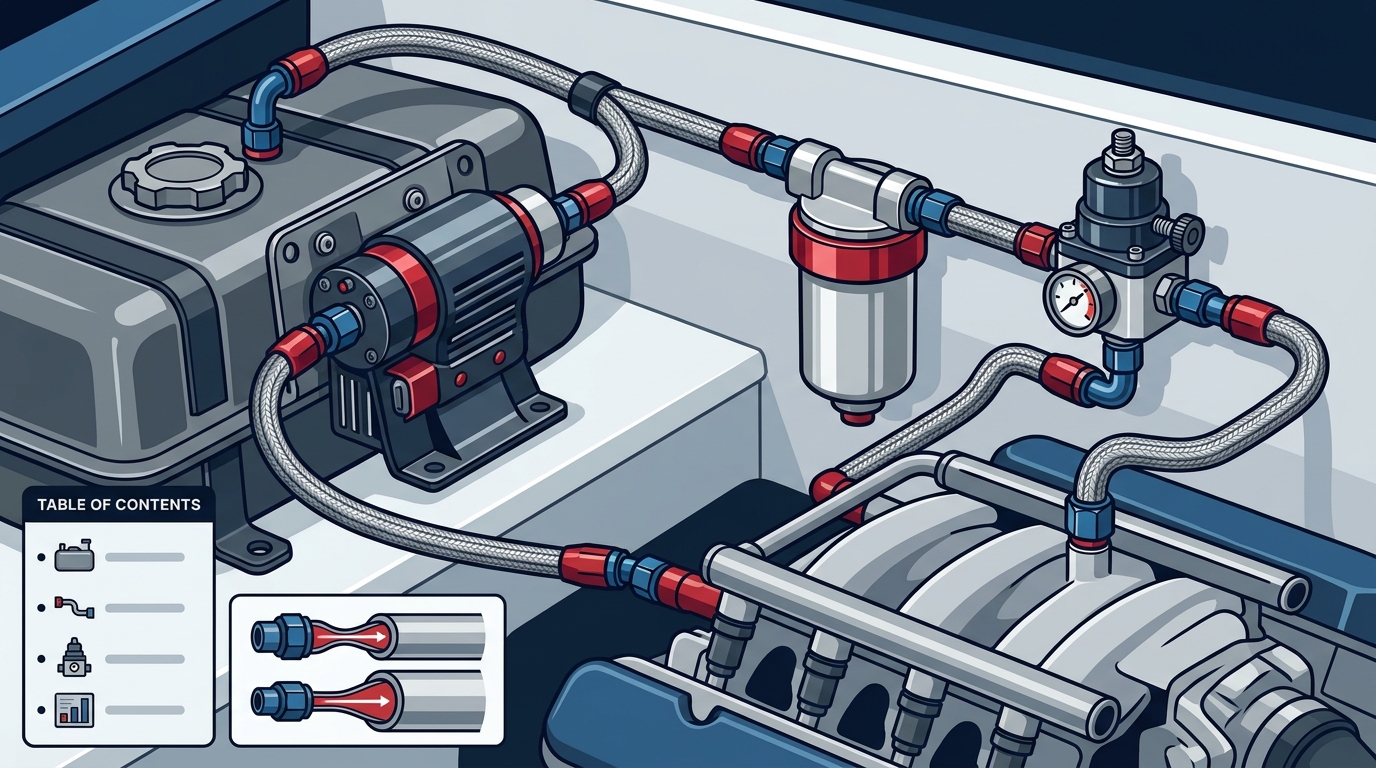
A complete fuel system includes more than just the pump. Other critical components include fuel lines, filters, regulators, and fittings. Each component plays a vital role in ensuring proper fuel delivery and system reliability.
Fuel Lines and Fittings
Fuel lines must be rated for the pressure and flow rate of your system. Steel lines are durable and resistant to heat, while braided stainless steel lines offer flexibility and high strength. Proper fittings are essential to prevent leaks and ensure a secure connection.
Fuel Filters
Fuel filters remove contaminants from the fuel, protecting the injectors and pump. It is recommended to use a high-quality filter with a micron rating appropriate for your fuel type. Regular filter replacement is essential to maintain system performance.
Fuel Pressure Regulators
Fuel pressure regulators maintain consistent fuel pressure regardless of engine load. This is crucial for maintaining the correct air-fuel ratio. For forced induction applications, a boost-referenced regulator is necessary to adjust fuel pressure based on boost levels.
Comparison of Fuel System Components
| Component | Function | Material Options | Best For |
|---|---|---|---|
| Fuel Pump | Delivers fuel to the engine | Electric, Mechanical | All applications |
| Fuel Filter | Removes contaminants | Paper, Metal Mesh | All applications |
| Fuel Regulator | Maintains pressure | Aluminum, Stainless Steel | High-performance builds |
| Fuel Lines | Transports fuel | Steel, Braided Stainless | High-pressure applications |
Key Takeaways
- Match fuel pump flow rate to engine horsepower requirements to prevent starvation.
- Chevy SBC engines benefit from high-flow electric pumps for modified builds.
- LS engines require high-pressure fuel systems, often exceeding 58 psi.
- Ford classic V8s can use mechanical pumps, but electric upgrades improve reliability.
- Modern Ford EFI systems need precise pressure regulation for optimal performance.
- Use high-quality fuel lines and fittings to prevent leaks and ensure safety.
- Regular maintenance of fuel filters and regulators is essential for system longevity.
Frequently Asked Questions
How do I calculate the fuel flow rate needed for my engine?
Calculate the fuel flow rate by multiplying the engine's peak horsepower by 0.5 to 0.75, depending on the fuel type. This gives you the required pounds of fuel per hour.
What is the difference between a mechanical and electric fuel pump?
Mechanical pumps are driven by the engine camshaft and are suitable for stock applications. Electric pumps offer higher flow rates and are better for high-performance builds.
Do I need a fuel pressure regulator for my carbureted engine?
Yes, a fuel pressure regulator ensures consistent pressure to the carburetor, which is crucial for proper fuel atomization and engine performance.
Can I use the same fuel pump for both Ford and Chevy engines?
While some universal pumps may fit, it is best to choose a pump designed for your specific engine platform to ensure optimal performance and compatibility.
How often should I replace my fuel filter?
It is recommended to replace your fuel filter every 10,000 to 15,000 miles or as specified by the manufacturer. More frequent changes may be needed for high-performance applications.
What type of fuel lines are best for high-pressure applications?
Braided stainless steel fuel lines are ideal for high-pressure applications due to their strength and flexibility. They resist heat and vibration better than standard rubber lines.
Is it necessary to upgrade the fuel system for a supercharged engine?
Yes, supercharged engines require significantly more fuel due to increased airflow. Upgrading the fuel pump, lines, and injectors is essential to prevent fuel starvation.
Contact Total Performance Australia
Ready to build the ultimate fuel system for your Ford or Chevy engine? Visit Total Performance Australia to explore our extensive range of high-performance parts. Our team of experts is ready to assist you with your build. Contact us today to discuss your project and find the perfect components for your needs.