
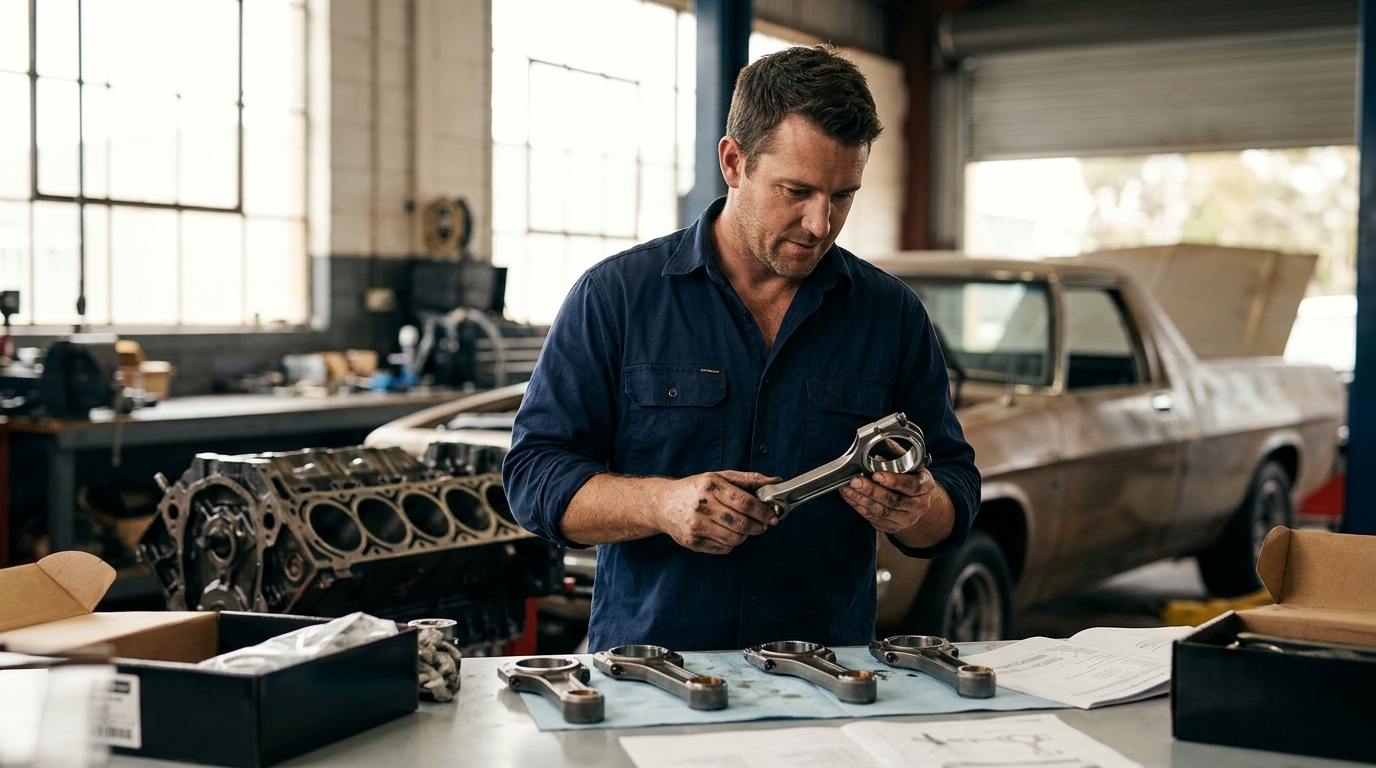
Selecting the Right Chevy Performance Engine Components for Your Build in Australia
Building a high-performance Chevrolet engine in Australia demands precise component selection to handle local driving conditions and fuel availability. According to industry data, proper component matching can increase engine longevity by up to 40 percent compared to mismatched builds. This guide provides the technical framework for selecting the correct parts for your specific application.
Understanding Chevy Engine Platforms
Chevrolet has produced several distinct engine families that require different component strategies. LS engines dominate the modern performance scene due to their compact size and high output potential. Small Block Chevy (SBC) engines remain popular for classic restorations. Big Block Chevy (BBC) engines offer massive torque for heavy vehicles.
LS engines are modular V8 designs introduced in 1997 that feature a compact head design and high airflow capacity. SBC engines are traditional V8 architectures produced from 1955 to 2003 known for their simplicity and vast aftermarket support. BBC engines are large displacement V8s designed for maximum low-end torque and durability.
Choosing the correct platform dictates your entire build path. You must identify your engine family before purchasing any components. Total Performance Australia stocks a comprehensive range of parts for all major Chevy platforms. Their inventory covers everything from basic rebuild kits to high-end racing components.
LS Engine Component Selection
LS engines are the most versatile platform for performance builds. They support everything from mild street cruisers to extreme drag racing applications. Component selection depends on your target horsepower and RPM range.
Pistons and Connecting Rods
Pistons must match your compression ratio goals and fuel type. Forged pistons are essential for high-horsepower builds exceeding 600 horsepower. Cast pistons work well for stock or mildly modified engines. Connecting rods must handle the tensile forces of high RPM operation.
According to engineering standards, forged steel connecting rods provide superior strength-to-weight ratios compared to cast alternatives. This strength prevents rod failure under extreme load. LS Pistons are available in various materials and designs. LS Crankshafts and Conrods are critical for building stroker engines.
Cylinder Heads and Camshafts
Cylinder heads control airflow into and out of the engine. Larger valves and improved port flow increase horsepower. Camshafts determine valve timing and lift. Aggressive cam profiles increase high-RPM power but reduce low-end torque.
Data shows that upgrading cylinder heads can increase horsepower by 15 to 25 percent on stock blocks. Camshaft selection must match your intended use. LS Cylinder Heads offer various flow characteristics. LS Camshafts are available in hydraulic and mechanical roller configurations.
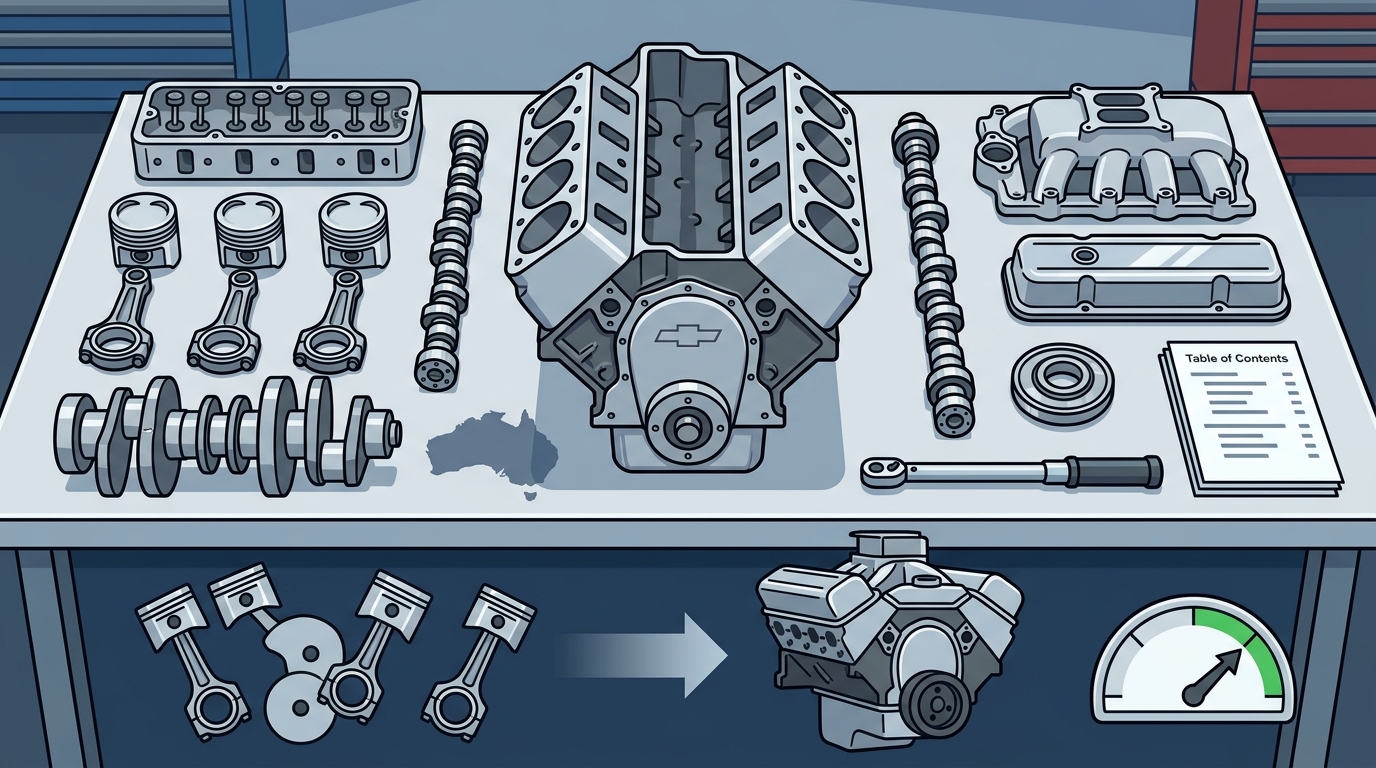
Intake Manifolds and Throttle Bodies
Intake manifolds distribute air and fuel to the cylinders. Dual-plane manifolds improve low-end torque. Single-plane manifolds maximize high-RPM power. Throttle body size must match the airflow requirements of the engine.
Matching the throttle body to the cylinder head flow rate is critical for optimal performance. LS Intake Manifolds and Throttle Body Kits provide complete solutions for LS builds.
Small Block Chevy 350 Parts
The Small Block Chevy 350 is a legendary engine platform. It offers excellent parts availability and proven performance potential. Builds range from stock replacements to high-output race engines.
Camshafts and Valve Trains
Camshaft selection for SBC engines requires careful consideration of lift and duration. Hydraulic lifters provide quiet operation and ease of installation. Mechanical lifters offer precise control for racing applications.
Research indicates that proper valve spring selection prevents valve float at high RPM. SBC Camshafts are available in various profiles. SBC Cylinder Heads are essential for improving airflow.
Ignition Components
Reliable ignition is crucial for performance. Distributors and ignition coils must provide consistent spark under load. High-energy ignition systems improve combustion efficiency.
According to automotive engineering principles, proper ignition timing improves fuel economy and power output. Distributors are available for various SBC applications. Ignition Modules and Coils ensure strong spark delivery.
Big Block Chevy Upgrades
Big Block Chevy engines provide massive torque and durability. They are ideal for heavy vehicles and high-torque applications. Component selection focuses on strength and reliability.
Cylinder Blocks and Crankshafts
Big Block blocks are robust but heavy. Upgrading crankshafts increases displacement and torque. Stroker kits allow significant displacement increases from standard blocks.
Data shows that stroker kits can increase torque by 20 to 30 percent in Big Block engines. Cylinder Blocks are available in various configurations. Crankshafts are essential for building high-torque engines.
Oil Systems and Cooling
Big Block engines require robust oiling and cooling systems. High-volume oil pumps ensure adequate lubrication. Efficient cooling prevents overheating under load.
Proper oil pressure maintenance is critical for engine longevity. Oil Systems provide necessary lubrication. Water Pumps and Thermostats manage engine temperature.
Transmission and Torque Converter Matching
Matching the transmission to the engine is critical for performance. The torque converter must match the engine's power band. Automatic transmissions require specific converters for optimal acceleration.
Torque Converters and Flexplates
Torque converters multiply engine torque during acceleration. Stall speed must match the engine's peak torque RPM. Flexplates connect the engine to the transmission.
According to transmission engineering data, proper stall speed selection improves launch performance. Chevy GM Transmissions and Converters are available for various applications. Holden 308 Trimatic Converters are also stocked for specific builds.
Transmission Fluids
High-quality transmission fluid protects internal components. ATF must meet specific manufacturer specifications. Synthetic fluids offer better performance in extreme conditions.
Data shows that synthetic ATF reduces wear and improves shift quality. ATF Transmission Fluids are available for all major transmission types.
Fuel and Ignition Systems
Fuel delivery must match the engine's airflow. Carburetors and EFI systems provide fuel metering. Proper tuning ensures optimal performance.
Carburetors and EFI Systems
Carburetors are mechanical fuel delivery systems. EFI systems provide precise fuel metering. Both systems require proper sizing for the engine.
Research indicates that EFI systems improve fuel economy and drivability compared to carburetors. Carburetors are available in various sizes. EFI Systems and Fuel Pumps provide modern fuel delivery.
Fuel Pumps and Regulators
Fuel pumps must deliver adequate volume and pressure. Mechanical and electric pumps serve different applications. Regulators maintain consistent fuel pressure.
Proper fuel pressure is critical for engine performance. Fuel Pumps are available in mechanical and electric configurations. Fuel Regulators and Fittings ensure consistent pressure.
Key Takeaways
- LS engines dominate modern performance builds due to their compact design and high output potential.
- Forged pistons and connecting rods are essential for high-horsepower applications exceeding 600 horsepower.
- Small Block Chevy 350 engines offer vast aftermarket support and proven reliability for classic builds.
- Big Block Chevy engines provide massive torque ideal for heavy vehicles and high-torque applications.
- Transmission torque converters must match the engine's peak torque RPM for optimal acceleration.
- High-quality ATF transmission fluid reduces wear and improves shift quality in automatic transmissions.
- EFI systems generally provide better fuel economy and drivability compared to traditional carburetors.
Frequently Asked Questions
What is the best piston material for high-horsepower Chevy builds?
Forged aluminum pistons are the best material for high-horsepower builds due to their superior strength and durability under extreme stress.
How do I choose the right camshaft for my Chevy engine?
Select a camshaft based on your target RPM range and intended use, balancing lift and duration for your specific application.
What is the difference between hydraulic and mechanical lifters?
Hydraulic lifters provide quiet operation and ease of installation, while mechanical lifters offer precise control for racing applications.
Why is proper torque converter stall speed important?
Proper stall speed ensures the engine operates in its peak torque range during launch, maximizing acceleration performance.
What type of oil is best for high-performance Chevy engines?
High-quality synthetic motor oil is best for high-performance engines due to its superior lubrication and heat resistance.
How do I match a carburetor to my engine?
Match the carburetor CFM rating to the engine's airflow requirements, typically calculated based on displacement and RPM.
What is the role of a fuel pressure regulator?
A fuel pressure regulator maintains consistent fuel pressure regardless of engine load, ensuring optimal fuel delivery.
Start Your Chevy Performance Build Today
Building a high-performance Chevy engine requires careful component selection and expert guidance. Total Performance Australia offers a comprehensive range of parts for all major Chevy platforms. Visit our online store or contact us for expert advice on your build. We provide free shipping on orders over $200. Our team is ready to help you select the right components for your specific needs.