
Ford Transmission Options: Choosing the Right Gearbox for Your Vehicle and Driving Needs
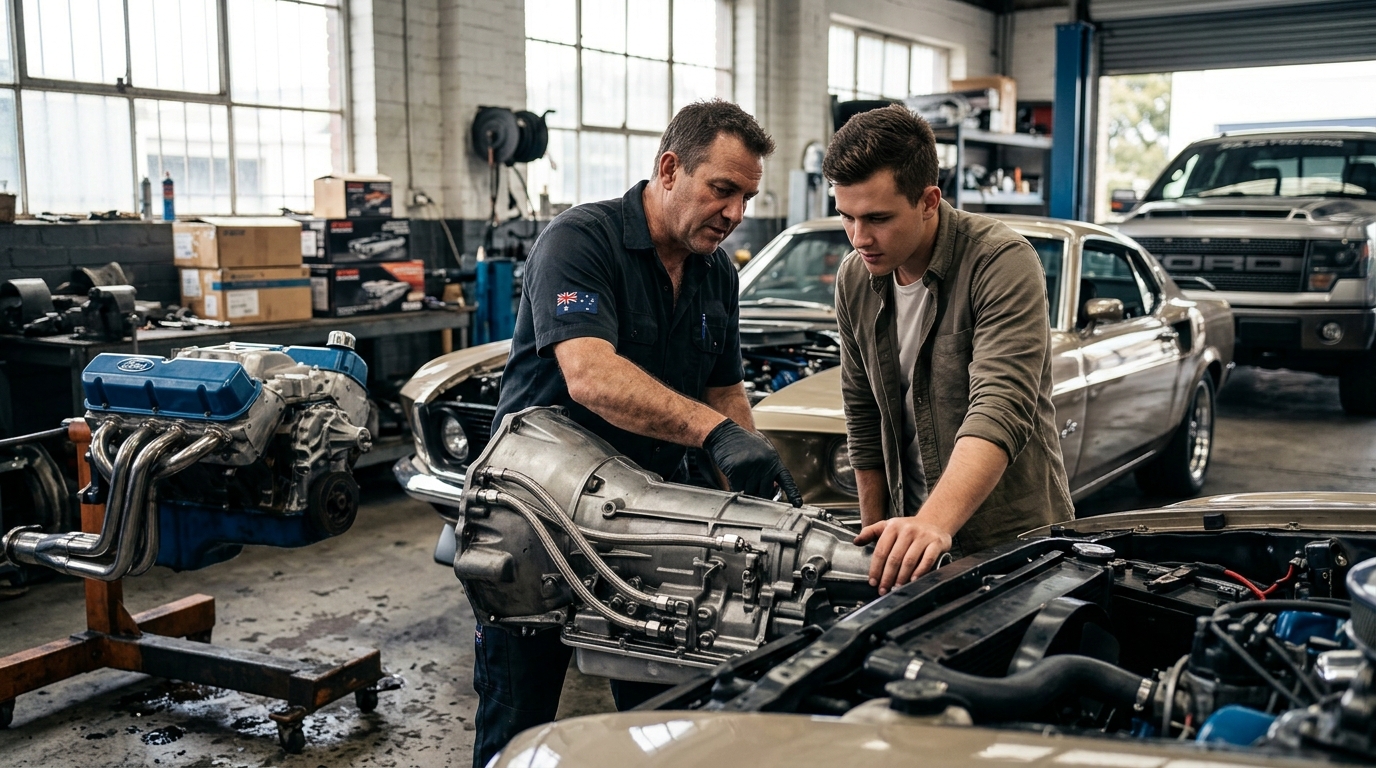
Selecting the correct transmission for a Ford vehicle is not merely a matter of preference; it is a critical engineering decision that dictates performance, reliability, and fuel efficiency. According to recent automotive industry data, transmission failures account for approximately 20% of all major vehicle repairs, highlighting the importance of choosing a robust system from the outset. Whether you are driving a classic Mustang, a heavy-duty F-150, or a modern performance Bronco, understanding the mechanical differences between automatic, manual, and specialized transmission types is essential for optimal vehicle operation. This guide breaks down the specific transmission architectures available for Ford platforms, helping you align your choice with your driving style and mechanical requirements.
Understanding Ford Transmission Types
Ford has utilized a diverse array of transmission technologies over its decades of manufacturing. To make an informed decision, you must first understand the fundamental categories. A transmission is a mechanical device that transmits power from the engine to the wheels, allowing the vehicle to operate at different speeds and torques. The three primary categories relevant to most Ford owners are the automatic transmission, the manual transmission, and specialized heavy-duty units.
Each type serves a distinct purpose. Automatic transmissions prioritize ease of use and smooth power delivery, making them ideal for daily driving and towing. Manual transmissions offer direct mechanical control, appealing to enthusiasts who value engagement and precision. Meanwhile, heavy-duty transmissions are engineered for extreme torque loads, commonly found in commercial trucks and high-performance off-road builds.
Automatic Transmissions: Performance and Convenience
Automatic transmissions have evolved significantly from the early three-speed units. Modern Ford automatics, such as the 10-speed 10R80 found in many current F-150 and Mustang models, offer a wide gear ratio spread that keeps the engine in its optimal power band. This technology allows for rapid shifts that can actually improve acceleration times compared to older automatic designs.
For classic Ford enthusiasts, the 4-speed automatic, such as the C4 or C6, remains a popular choice for restorations. The C6, in particular, is renowned for its durability and ability to handle high horsepower applications. When upgrading or rebuilding these units, selecting the correct torque converter is vital. The torque converter acts as a fluid coupling between the engine and the transmission, multiplying torque at low speeds. Choosing a converter with the correct stall speed ensures that the engine reaches its peak power range quickly without slipping excessively. (Total Performance Australia buy)
Automatic transmissions also benefit from advanced electronic controls. Modern units communicate directly with the vehicle's computer to adjust shift points based on driving conditions. This adaptability is crucial for fuel economy in city driving and performance on the highway. For those looking to enhance their automatic's performance, upgrading internal components like clutches and bands can significantly increase durability under stress.
Manual Transmissions: Driver Engagement
Manual transmissions, often referred to as stick shifts, provide a direct mechanical link between the driver and the drivetrain. This connection allows for precise control over gear selection, which is particularly valuable in performance driving and off-road scenarios. The Ford MT82, used in the Mustang EcoBoost and GT models, is a modern example of a manual gearbox designed to handle high torque outputs while maintaining shift precision.
For older Ford vehicles, such as the classic Mustang or Falcon, manual transmissions like the Toploader or the 4-speed close-ratio units are highly sought after. These gearboxes are known for their robust construction and ability to withstand high horsepower. When maintaining a manual transmission, the clutch assembly is the most critical component. A worn clutch can lead to slipping, which reduces power transfer and can damage the flywheel.
Manual transmissions also offer a unique driving experience that many enthusiasts prefer. The ability to control engine braking and select gears manually allows for better vehicle control in tight corners or on steep grades. Additionally, manual transmissions are generally simpler in design, which can make them easier and less expensive to repair compared to complex automatic units. For those who enjoy the mechanical process of driving, a manual transmission is an indispensable component of the Ford ownership experience.
Heavy-Duty and Commercial Applications
For Ford trucks and commercial vehicles, transmission durability is paramount. The Ford E4OD and 4R100 are legendary heavy-duty automatic transmissions used in F-Series trucks from the 1980s through the 2000s. These units are designed to handle the high torque outputs of large V8 engines and are capable of towing heavy loads with relative ease. The 4R100, in particular, is known for its reliability and is often used in high-performance diesel swaps.
Modern heavy-duty Ford trucks, such as the Super Duty, utilize advanced automatic transmissions like the 10R80 or the Allison 10-speed in diesel models. These transmissions are engineered to manage the immense torque of diesel engines while providing smooth shifts under load. When towing or hauling, the transmission's cooling system is critical. Overheating can lead to fluid breakdown and premature failure, so upgrading to a heavy-duty transmission cooler is a wise investment for frequent towers.
For off-road enthusiasts, the transmission must also handle extreme articulation and impact. Upgrading transmission mounts and using high-quality synthetic fluids can help protect the internal components from the stresses of off-road driving. Additionally, installing a transmission temperature gauge allows drivers to monitor fluid heat in real-time, preventing damage during prolonged off-road use.
Comparing Transmission Options
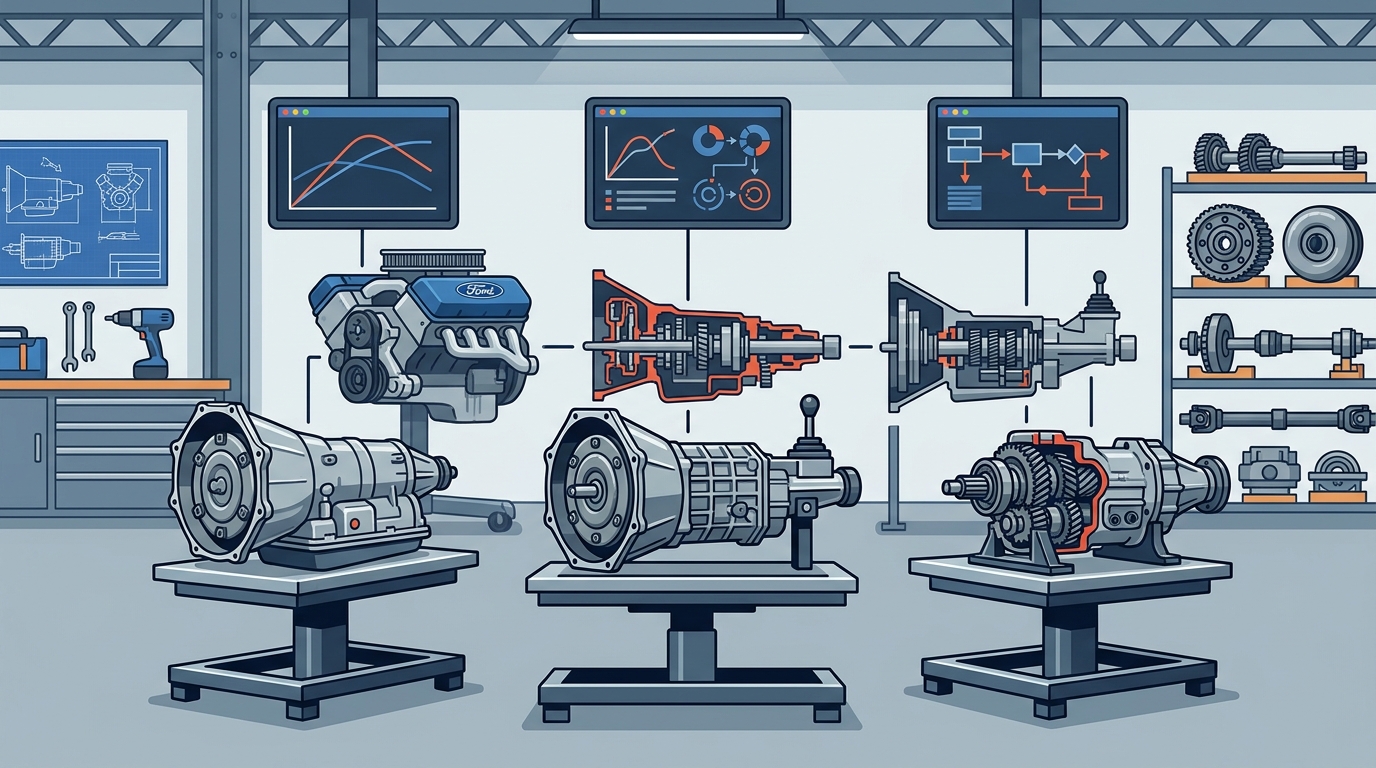
Choosing the right transmission depends on your specific needs. The table below summarizes the key characteristics of common Ford transmission types.
| Transmission Type | Best For | Pros | Cons |
|---|---|---|---|
| Automatic (Modern 10-Speed) | Daily Driving, Towing, Performance | Smooth shifts, Fuel Efficiency, Easy to Use | Complex Repair, Higher Cost |
| Automatic (Classic C6/E4OD) | Restoration, High Horsepower Builds | Durable, Proven Reliability, Aftermarket Support | Heavier, Less Fuel Efficient |
| Manual (MT82/Toploader) | Enthusiast Driving, Precision Control | Direct Engagement, Lower Weight, Simpler Repair | Driver Fatigue, Learning Curve |
| Heavy-Duty (4R100/Allison) | Commercial Use, Heavy Towing | Extreme Durability, High Torque Capacity | Expensive, Specialized Maintenance |
Key Takeaways
- Transmission Type Matters: Automatics offer convenience and smoothness, while manuals provide engagement and control.
- Durability is Key: Heavy-duty transmissions like the 4R100 are built for extreme loads and high torque applications.
- Maintenance is Critical: Regular fluid changes and cooler upgrades can significantly extend transmission life.
- Aftermarket Support: Classic Ford transmissions have extensive aftermarket support for performance upgrades.
- Modern Technology: 10-speed automatics offer a balance of performance and fuel economy for modern vehicles.
- Proper Matching: Ensure the transmission matches the engine's torque output for optimal reliability.
- Expert Advice: Consult with specialists when selecting or upgrading transmissions for specific Ford models.
Frequently Asked Questions
What is the most durable Ford automatic transmission?
The Ford C6 and the 4R100 are widely considered the most durable automatic transmissions produced by Ford. The C6 is known for its robust construction in classic Mustangs and F-150s, while the 4R100 is a heavy-duty unit designed for high-torque diesel and gas applications in Super Duty trucks.
Can I swap a manual transmission into my Ford?
Yes, swapping a manual transmission into a Ford vehicle is a common project. However, it requires compatible bellhousings, clutch assemblies, and pedal boxes. Additionally, the vehicle's wiring harness and ECU may need modification to support the manual transmission's sensors and controls.
How often should I change my Ford transmission fluid?
While some manufacturers claim the fluid lasts the life of the vehicle, it is generally recommended to change automatic transmission fluid every 30,000 to 60,000 miles. For heavy-duty use or towing, more frequent changes are advisable to prevent fluid degradation and overheating.
What is a torque converter and why is it important?
A torque converter is a fluid coupling that connects the engine to the automatic transmission. It multiplies torque at low speeds, aiding in acceleration. Choosing the correct stall speed for your engine's power band is crucial for optimal performance.
Are aftermarket transmission parts available for classic Fords?
Yes, there is extensive aftermarket support for classic Ford transmissions. Companies produce high-performance clutches, gears, and rebuild kits for units like the C4, C6, and Toploader. These parts allow enthusiasts to upgrade their transmissions for higher horsepower and durability.
What is the difference between a 4-speed and a 5-speed manual transmission?
A 4-speed manual has four forward gears, while a 5-speed has five. The additional gear in a 5-speed typically provides a taller overdrive ratio for improved fuel economy at highway speeds. However, 4-speeds are often preferred in performance applications for their closer gear ratios and simpler design.
Upgrade Your Ford Today
Whether you are rebuilding a classic Mustang or upgrading the drivetrain of a modern F-150, selecting the right transmission is essential for performance and reliability. At Total Performance, we offer a comprehensive range of Ford transmission parts, including torque converters, rebuild kits, and heavy-duty components. Visit our online store to explore our inventory and find the perfect transmission solution for your Ford vehicle. Our team of experts is ready to assist you with any questions regarding compatibility and installation.